Modern businesses heavily rely on devices that are connected to collect data, automate processes and power smart operations. The administration of a number of devices located in several locations, especially as they grow, could become overwhelming. Operation of devices requires continuous technical expertise and attention. From security compliance to optimization of performance and software upgrades, they all require continuous attention. This is why a structured managed service can transform confusion into clarity.
Many organizations begin by searching for a free Raspberry device management software to save money in the beginning. While these free programs can provide simple monitoring capabilities as well as remote access, they seldom provide the full lifecycle management needed for enterprise-level deployments. Businesses require more than manual controls and dashboards as device networks grow. They need a unified system that can handle security, provisioning monitors, performance, compliance reporting, and compliance tracking in a seamless manner.
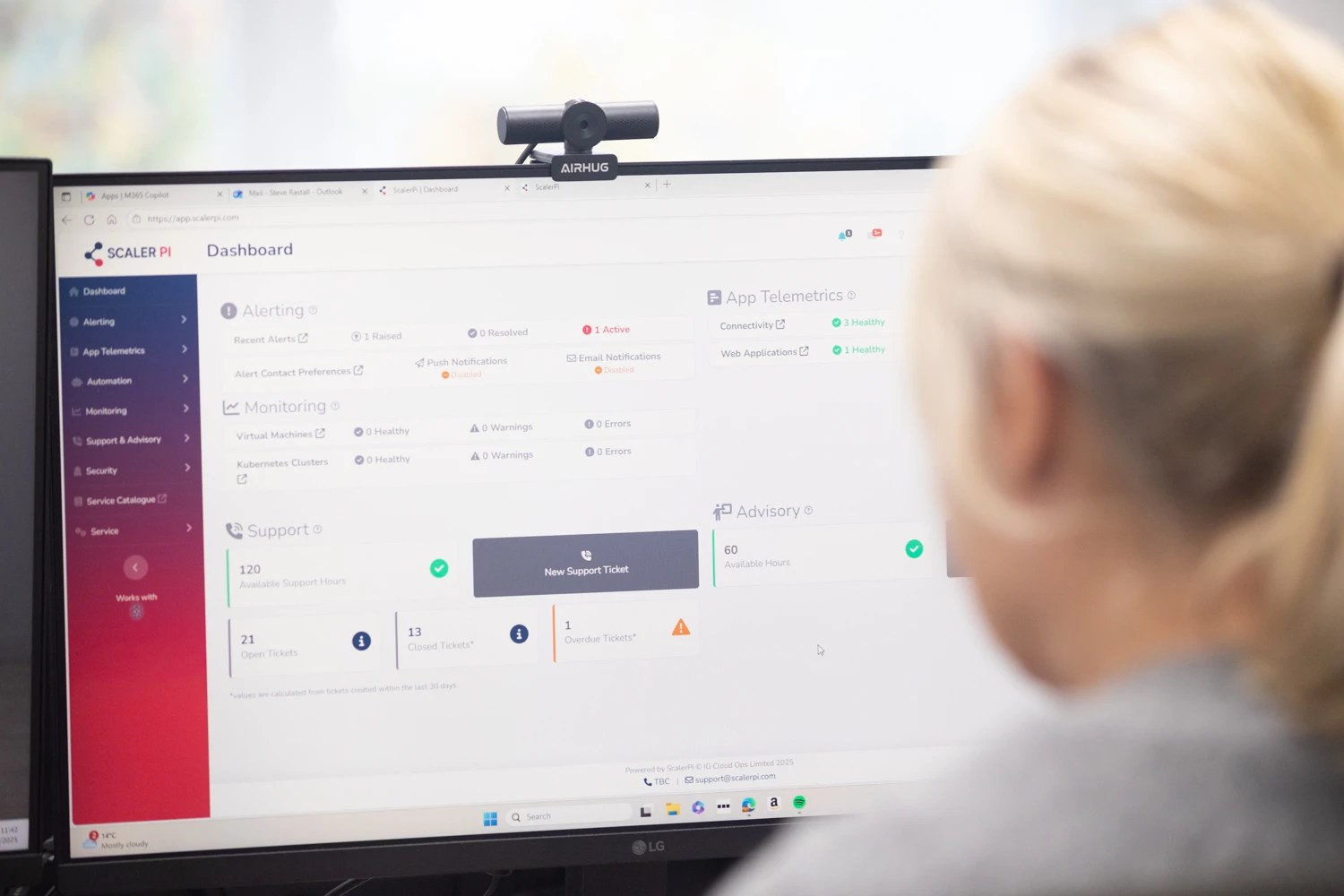
Internal staff is freed of the burden of daily operations with a well-managed infrastructure. Businesses can concentrate on growth and innovation instead of troubleshooting, patching, and responding for outages. Each device is set up and deployed under an operating framework that ensures stability and consistency. This model of operation does not only cut down on downtime, it can also prevent security flaws that typically result from unintentional update or incorrect configurations.
A Partnership Model for Scale
The most successful IoT ecosystems cannot be built in isolated. They require thoughtful planning, intelligent architecture and continuous optimization. An experienced Raspberry Pi partner with experience in design will make sure that the software, hardware, and system architecture are all connected from the start with operational goals. Instead of focusing on the installation as a once-in-a-lifetime project, this partnership creates an adaptable foundation that expands with the business.
Each managed services engagement can be tailored to a customer’s needs, such as the integration of hardware as well as platform management and technical assistance within one operating agreement. This unifying structure makes communication easier and eliminates fragmentation between vendors. Business benefits include named technical contacts, service level agreements, and transparent reporting to keep all stakeholders updated, without adding administrative burdens.
Configuration and provisioning processes are standardized to ensure uniformity of the device across various locations. Every unit is built before being tested and registered prior to deployment to ensure consistency from the first day. Continuous telemetry provides real-time insight on device health and app stability. Engineers are able to spot anomalies and avoid system failures before they get out of hand.
Continuous Improvement Through Continuous Management
Reliable IoT environments rely on proactive maintenance instead of reactive troubleshooting. Updates and patches are controlled to ensure that operating systems and applications remain stable and secure. To avoid interruptions and maintain the availability of your system, updates are rigorously test prior to their deployment.
The operational workflow also includes the requirements for compliance. Whether organizations must meet ISO standards, SOC2 frameworks, or internal reporting policies, governance procedures conform to regulatory requirements. This arrangement eases the burden of audits, and increases security posture.
Managed services can be even more effective when they are able to incorporate lifecycle management and performance optimization. Regular system inspections identify the potential for hardware upgrades, energy efficiency improvements, and load balancing. Instead of waiting for devices to fail or go out of date, infrastructure evolves strategically alongside organizational growth.
Cloud and Edge Technologies can be seamlessly connected
Modern deployments typically require tight integration between edge hardware and cloud ecosystems. Expert Azure IoT consulting helps businesses connect devices securely to cloud platforms while optimizing data pipelines, analytics workflows, and automation capabilities. The synergy between physical infrastructure and cloud-based intelligence enables smarter decisions and better operational agility.
Professional IoT consultancy also makes sure that monitoring platforms, data governance frameworks, and security protocols are in sync. Engineers are always available to monitor the system’s performance and respond to irregularities in real time before they cause disruption to operations. The capability to increase support options allows companies to grow with confidence, knowing their technical expertise will increase in tandem with the device fleet.
The objective is to make the most advanced edge technology feel natural. Scaler PI helps make it easy for cutting-edge technology to be embraced by combining practical hardware expertise with the latest innovations in cloud computing. It creates a simplified unifying environment that lets devices work seamlessly with data and operations.
Manage Device Infrastructure Smarter
Managed service provides an all-in-one source of responsibility in the design, hardware and monitoring. Predictable pricing models reduce budgeting surprise, while automated updates and constant monitoring reduce the risk of operating. Companies can feel secure that their infrastructure is safe as well as compliant and functioning at its peak.
As IoT ecosystems grow in size, the need to have reliable operational frameworks is becoming crucial. Managed services that are encompassing will ensure that devices are secure, efficient and future-ready, allowing companies to innovate without having infrastructure management slow them down.